


Quick decision toggles
Use this quick triage before reading the full guide. Then validate with a 30-day pilot.
Choose Texta if...
- You want one workflow from visibility signal to assigned action.
- You run weekly operating reviews and need fast execution rhythm.
- You want source diagnostics, mention movement, and next-step guidance in the same workspace.
Choose AthenaHQ if...
- AI search visibility monitoring with emphasis on cross-engine tracking and brand presence oversight.
- Your team is willing to assemble decisions across multiple systems or longer analysis cycles.
- Your near-term priority is strategic reporting alignment more than operator execution speed.
Run a dual pilot if...
- Two or more departments disagree on reporting vs execution priorities.
- You need objective evidence before procurement or migration.
- You want a weighted scorecard built from your own prompts, competitors, and sources.
Texta vs AthenaHQ: Two GEO Platforms, Different Operating Center of Gravity
Last updated: March 14, 2026
Texta and AthenaHQ are both in the GEO/AI visibility category, but they can feel different in practice. Texta is generally optimized for operator execution speed, while AthenaHQ publicly emphasizes AI visibility tracking, credits-based usage, and enterprise-style optimization workflows.
This page is built for buyers comparing Texta and AthenaHQ. It focuses on practical buying questions: pricing model, functional fit, rollout risk, and team adoption.
TL;DR
- Texta: stronger for execution-first teams with weekly intervention cadence.
- AthenaHQ: strong for teams preferring credits-based GEO tracking and enterprise workflow packaging.
- AthenaHQ public self-serve offer highlights $95/month with 3,600 credits and $300/month free credit note.
- Both are viable for GEO; run a shared pilot if buying committee priorities conflict.
Internal links: Texta pricing, all comparisons, start with Texta.
Visual Evidence (Scoped Screenshots)
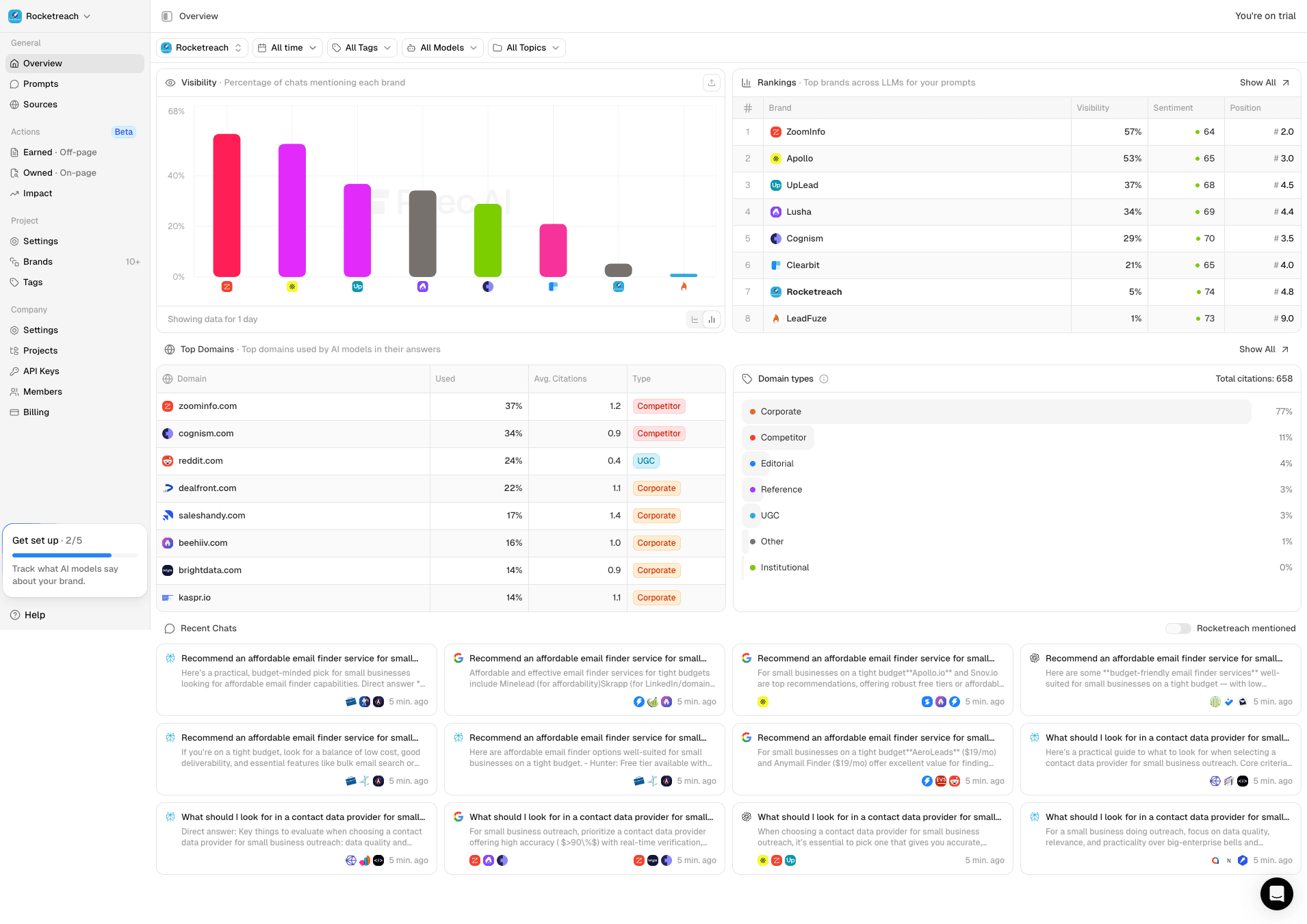 Caption: Texta overview surface used for ongoing monitor -> interpret -> act operations.
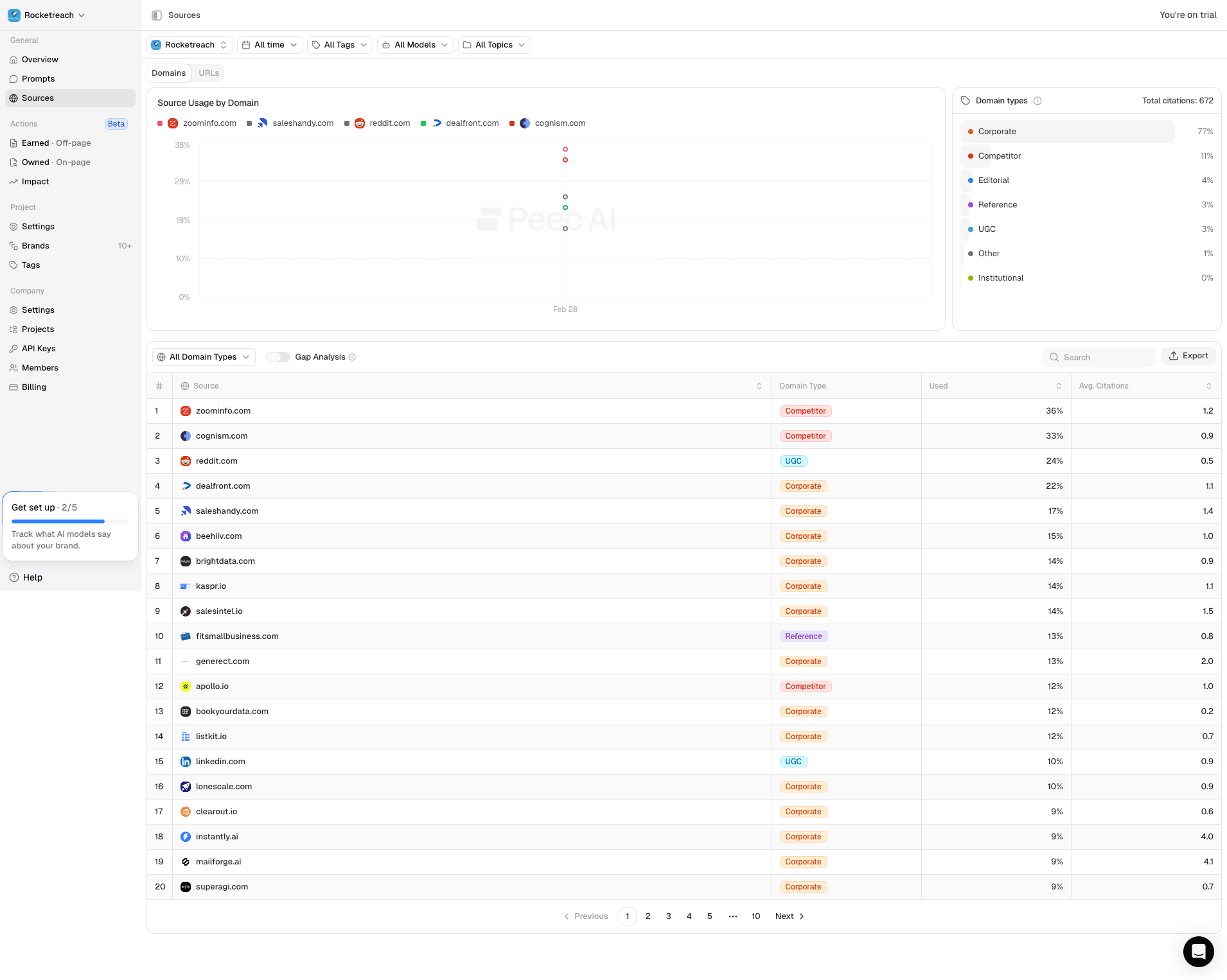 Caption: Texta source/domain diagnostics used to prioritize interventions and measure citation shifts.
 Caption: AthenaHQ public page snapshot showing positioning and plan framing.
 Caption: AthenaHQ scoped plan/features block used for side-by-side comparison.
Scenario Score Chart
 Caption: Scenario model for an execution-focused GEO team (weights prioritize actionability and source-level intervention speed).
At-a-Glance Functional Comparison
| Area | Texta | AthenaHQ |
|---|---|---|
| Category fit | GEO operations and intervention cadence | GEO platform with credit-based tracking and action center framing |
| LLM model coverage framing | Visibility diagnostics across supported models | Self-serve plan cites up to 8 major LLMs + optional additional models |
| Credit economics | Workflow-centered operations model | Explicit credit model (1 credit = 1 AI response) |
| Competitor tooling | Prompt/brand/source diagnostics for intervention planning | Competitor monitoring and impersonation in plan feature list |
| Enterprise packaging | Operational rollout around team cadence | Custom enterprise plan with deep-research optimization agent claims |
Pricing Snapshot (Public Info, checked March 14, 2026)
| Plan | AthenaHQ | What is included |
|---|---|---|
| Self-Serve | $95/mo (page also shows $295 struck-through) | 3,600 credits, $300/month free credit note, up to 8 LLMs, GEO monitoring features |
| Enterprise | Custom | Custom credits, multi-team platform, content optimization AI agent, white-glove onboarding |
| Credit model | Usage-based within plan | Public page states 1 credit = 1 AI response |
| Add-on capacity | Additional credits available | Public plan text indicates add-on credit purchasing |
Pricing interpretation notes:
- Athena pricing presentation includes promotional and credits-based framing; verify current commercial terms during procurement.
- Because both products are GEO-native, buyer fit usually depends on workflow style more than category fit.
- Require identical prompt sets and competitor sets during pilot for fair comparison.
Review Signal Snapshot
G2 snapshot: AthenaHQ listed at 4.9/5 (31 reviews). Review themes highlight actionable insights and ease of use, with a smaller review base than long-established SEO suites.
Who Should Choose Which Tool
Texta is typically better when
- Teams that optimize for intervention speed and operational rhythm.
- Organizations that need source and mention diagnostics to immediately inform backlog work.
- Buyers minimizing coordination overhead between analysts and execution teams.
AthenaHQ is typically better when
- Teams comfortable with credits-based usage and enterprise packaging discussions.
- Organizations prioritizing structured GEO tracking with strong platform-level guidance.
- Buyers wanting custom enterprise configuration and white-glove rollout support.
Buyer Questions This Page Answers
- Do we prefer credits-based economics or workflow-based operational planning?
- How many AI responses do we expect to monitor per month by market segment?
- Which platform produces better intervention quality in our weekly operating review?
- How do we control consumption risk in a credits model?
- Do we need enterprise-grade onboarding now or later?
- What is our acceptable time-to-value window after contract signature?
30-Day Evaluation Framework
Use the same prompt set, competitors, and reporting cadence in both tools.
| Criterion | Weight | How to score |
|---|---|---|
| Time from signal to assigned action | 25% | Median time from alert to owned task |
| Insight quality for weekly review | 20% | Team can explain what changed and why |
| Source/citation intervention throughput | 20% | Number of completed interventions |
| Reporting readiness | 20% | Time to produce decision-ready weekly update |
| Team adoption confidence | 15% | % of owners using the platform weekly |
Migration Notes
- Start with one business unit and fixed prompt taxonomy before scaling to full org.
- Track credit usage, action quality, and cycle time in the same weekly dashboard.
- Set explicit escalation rules for credits burn and low-signal prompts.
- Decide expansion only after 4 full operating cycles with stable owners.
Related comparisons
Use these internal comparison pages to evaluate adjacent options and keep your research workflow in one place.
| Page | Focus | Link |
|---|---|---|
| Texta vs peec.ai | Practical head-to-head for teams choosing between integrated execution workflow and analytics-first GEO monitoring. | Open page |
| Texta vs Profound | Detailed comparison for organizations balancing operator speed against enterprise reporting and governance requirements. | Open page |
| Texta vs Promptwatch | Practical guide for teams weighing market-facing AI visibility operations against prompt observability priorities. | Open page |
| Texta vs Semrush | Useful for teams balancing classic SEO stack depth against AI-answer visibility execution and action loops. | Open page |
| Texta vs Ahrefs | Decision guide for organizations running both SEO and GEO priorities with limited team bandwidth. | Open page |
| Texta vs AirOps | Clear breakdown for teams choosing between optimization insights and production automation as their first AI investment. | Open page |
| Texta vs Otterly.ai | Useful for teams deciding whether to start with lightweight tracking or a deeper execution-focused GEO workflow. | Open page |
| Texta vs rankshift.ai | Decision framework for teams that need both ranking clarity and faster execution from visibility signals. | Open page |